

“You should meet my father.”
This was J’s response to me introducing myself the first time I met him. We were at a dimly-lit house party in South Delhi. Punjabi pop remixed with hip-hop beats played through bass amplifiers that only Delhi dudes truly like or endure. A bartender had been hired to serve alcohol from behind a makeshift booth.
J, at the time, was dating my very close friend, S. And S, sweetheart that she is, had spoken about all her friends to J. But, his father?
“He just wrapped up an ultra marathon in the Nilgiri hills, I think Yercaud.”
“Oh, how cool!”
“Yeah, that was his recovery run after the Antarctica Ice Marathon.”
“...”
“...”
“...what?”
And that was my evening done. Every other conversation through that party wafted past me without touch because I couldn’t get over those words.
At the time, I was training for the Ladakh Half Marathon. Without any hyperbole, I considered it amongst the coolest and more physically challenging locations to run in. To register, one had to show proof of a recent nationally-recognised half marathon finished within three hours.
I knew tougher runs existed, of course. I had read about Mauro Prosperi getting lost in the Sahara for nine and a half days. Similarly, I knew about the Great Wall of China run and the Badwater 135 through the appropriately-named Death Valley. I had not, even while slingshotting my imagination to come up with unlikely routes, thought of a sequence of words with Antarctica and marathon near each other.
That night, tipsy from a few too many cocktails and the unavoidable, party-ending shot of vodka, I flipped open my laptop and began looking. And I couldn’t take my eyes off.


On a later conversation with J, I pressed him for his father’s notes about the race. Amongst the many other things he described, much of it a story of visually acclimatising to the continent, I remember, “the lungs freeze when you walk. You’re inhaling ice.” I could feel my gut just cramping. It was an insane thing to even attempt, especially for someone who grew up in the temperate climate of Delhi and Bombay. Then I found out that he had run marathons in every continent bar one. Some people are just wired differently, I guess.
In the last week, triggered by this story about Nathan Martin’s incredible finish at the Los Angeles Marathon, I went back to Google Images for pictures from wild marathons. There are three that came to mind, immediately, for their unique physical challenges.
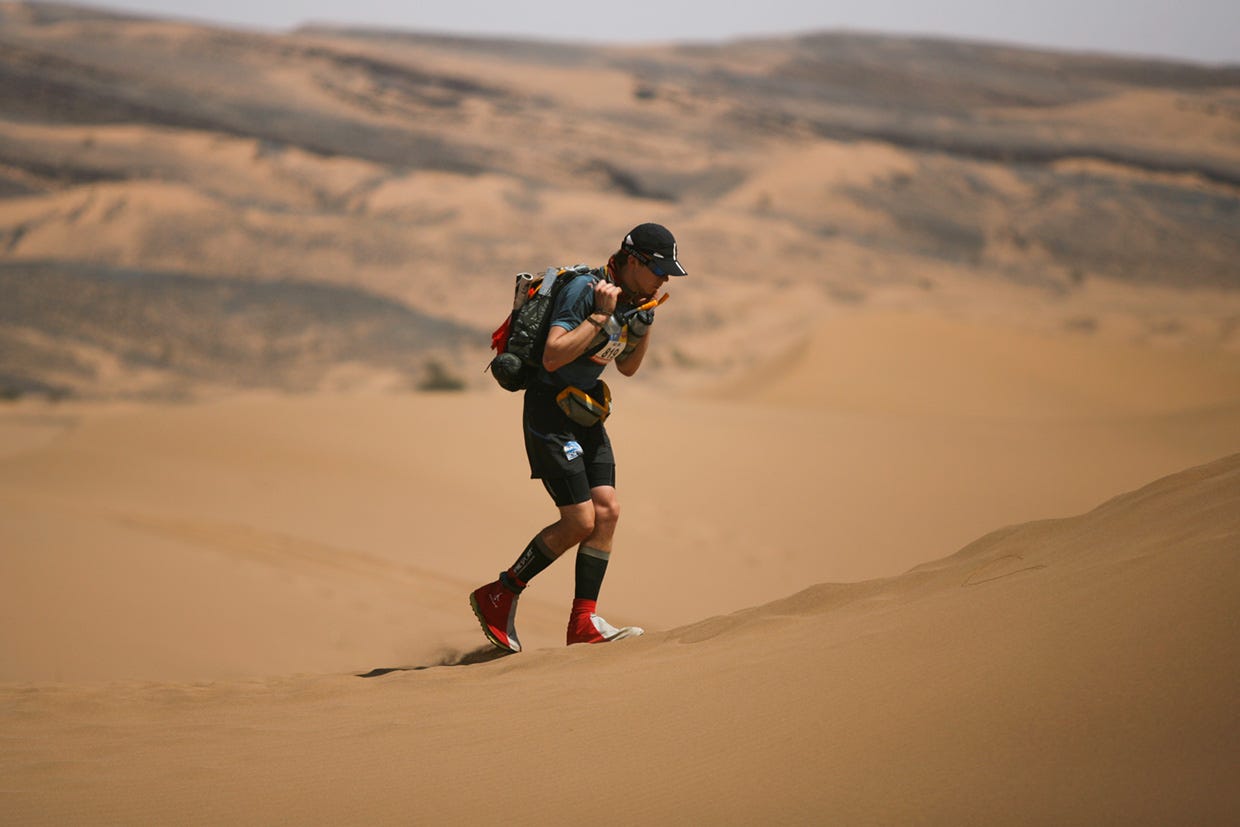
Marathon des Sables Legendary
A 250 kilometre run through the Sahara desert, where competitors have to carry their entire kit from start to end. This year’s race—the 40th edition of the event—starts next week.
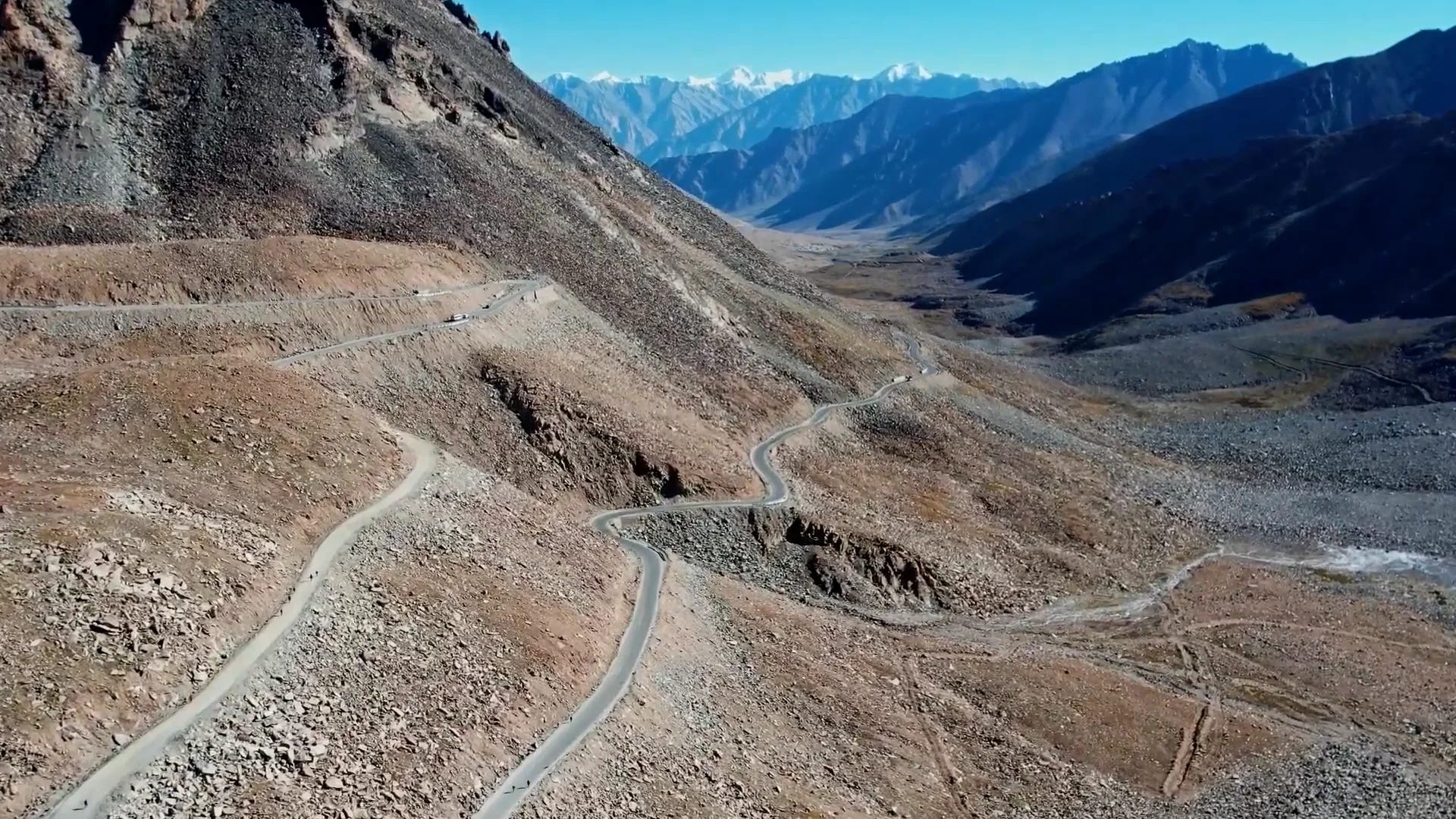
Silk Route Ultra
A 122km run passing through a section of the erstwhile Silk Route. The run begins in Kyagar Village in Ladakh’s Nubra Valley, touches Khardung La—one the highest motorable roads in the world—and finishes at the Leh Market, where you can either pass out or treat yourself to some life-affirming hibiscus tea.
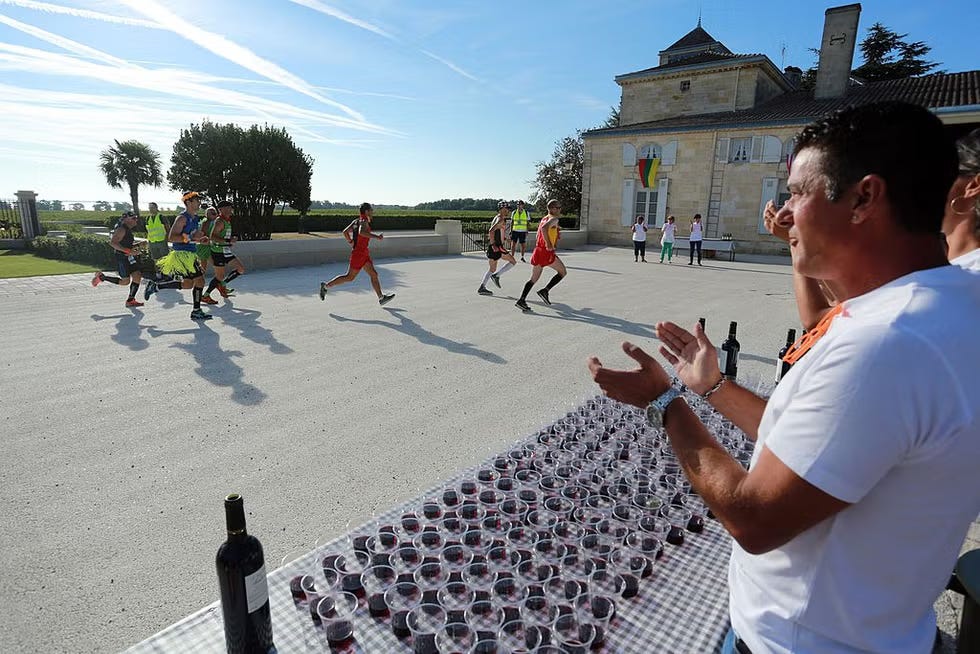
Marathon du Médoc
A full length marathon (42.2 kms) through France’s Bordeaux region. The point isn’t the run, though. It’s the 30+ vineyards the route passes through, and the cheese tasting stations en route. If you’re able to finish a marathon with all that in your body, you deserve a thick medal. One author called it the world’s longest, booziest race.
🥬 Leafy Edibles
Taking a hard left from wine and cheese, Works In Progress has an essay about the history, journey, and influence of brassica oleracea, or the wild cabbage. The story is quite amazing. Most vegetables evolve with time, into versions that retain many characteristics from their ancestors. Not this guy.
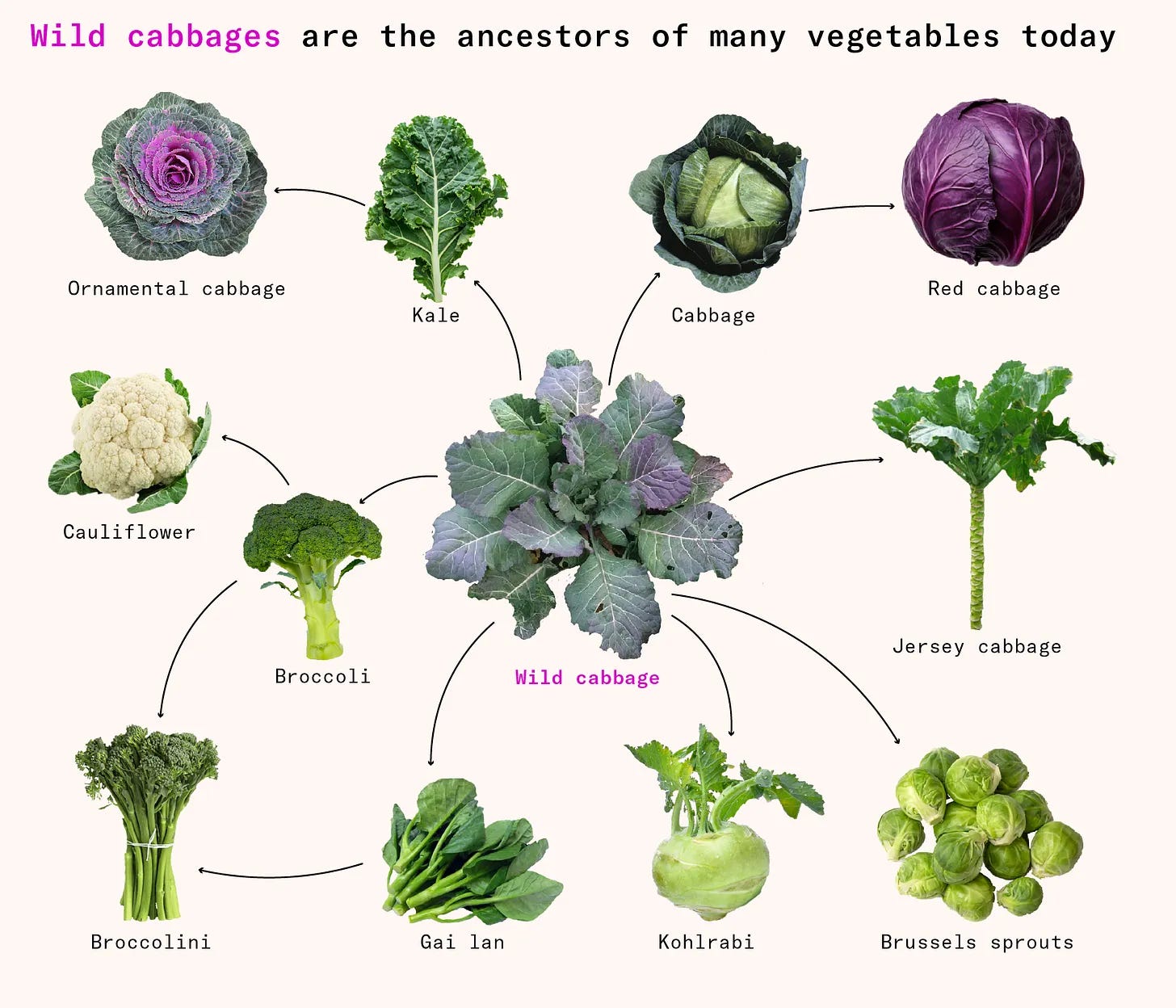
The secret to their evolution is in their genomic structure. “Ancient wild cabbages underwent a process called polyploidy. Humans are diploid, meaning that we usually have two copies of each of our 23 chromosomes. Many cabbage varieties are triploid or even more complex.”

This essay links to another about the history of the modern tomato, which took me to this report: CRISPR builds a big tomato that’s actually sweet.
“Editing techniques that insert foreign DNA have also been developed further, notably leading to the creation of a purple tomato containing snapdragon flower DNA. The fruit contains three times as many antioxidants as the typical tomato..”
Wild things are happening in food science, while we sip our whey protein-infused matcha.
🚇 Underground Network
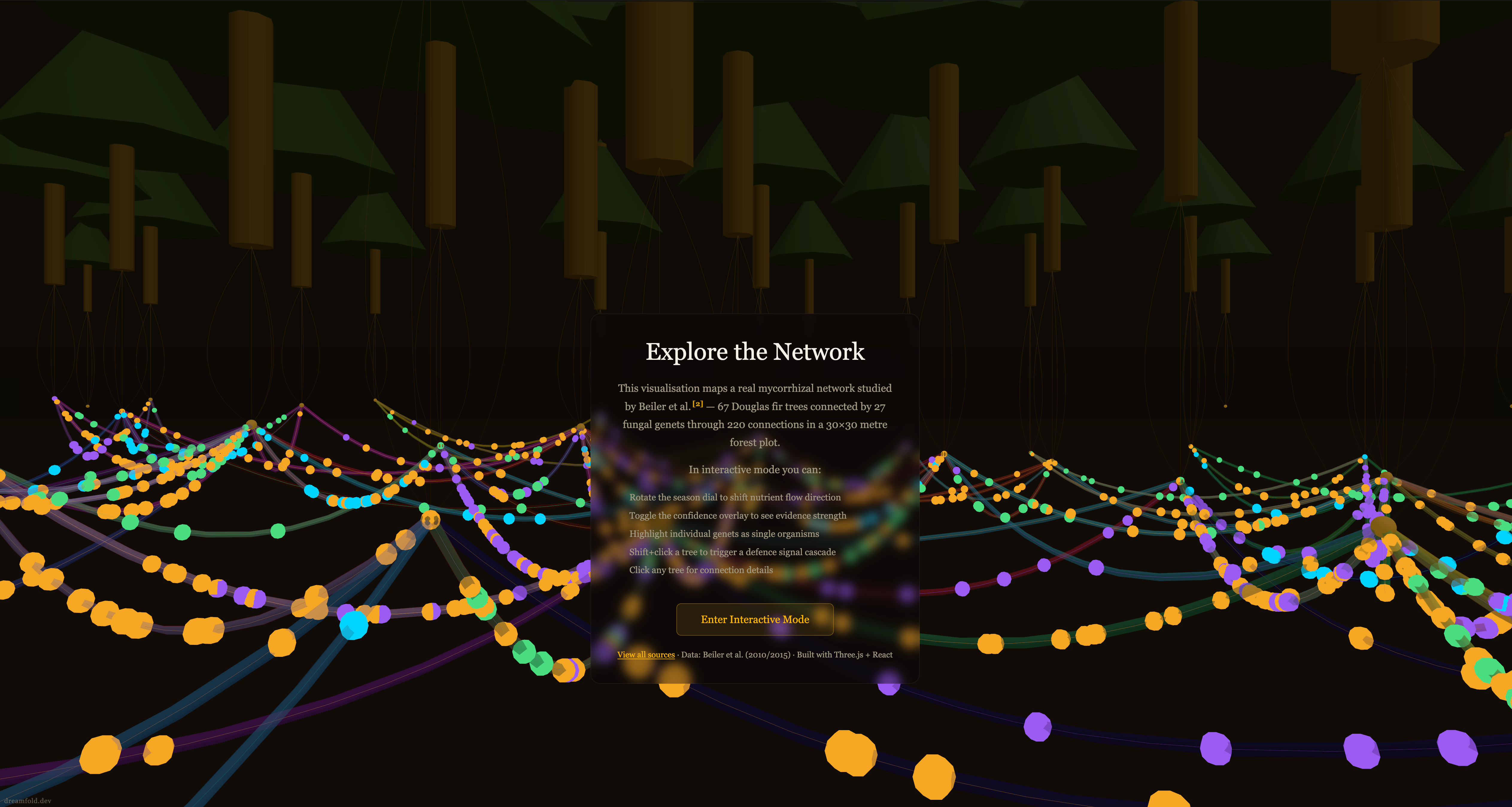
Somewhere deep within Reddit, I found this absolutely insane visualisation of the underground fungal network between 67 trees.
❄️ Winter Variables
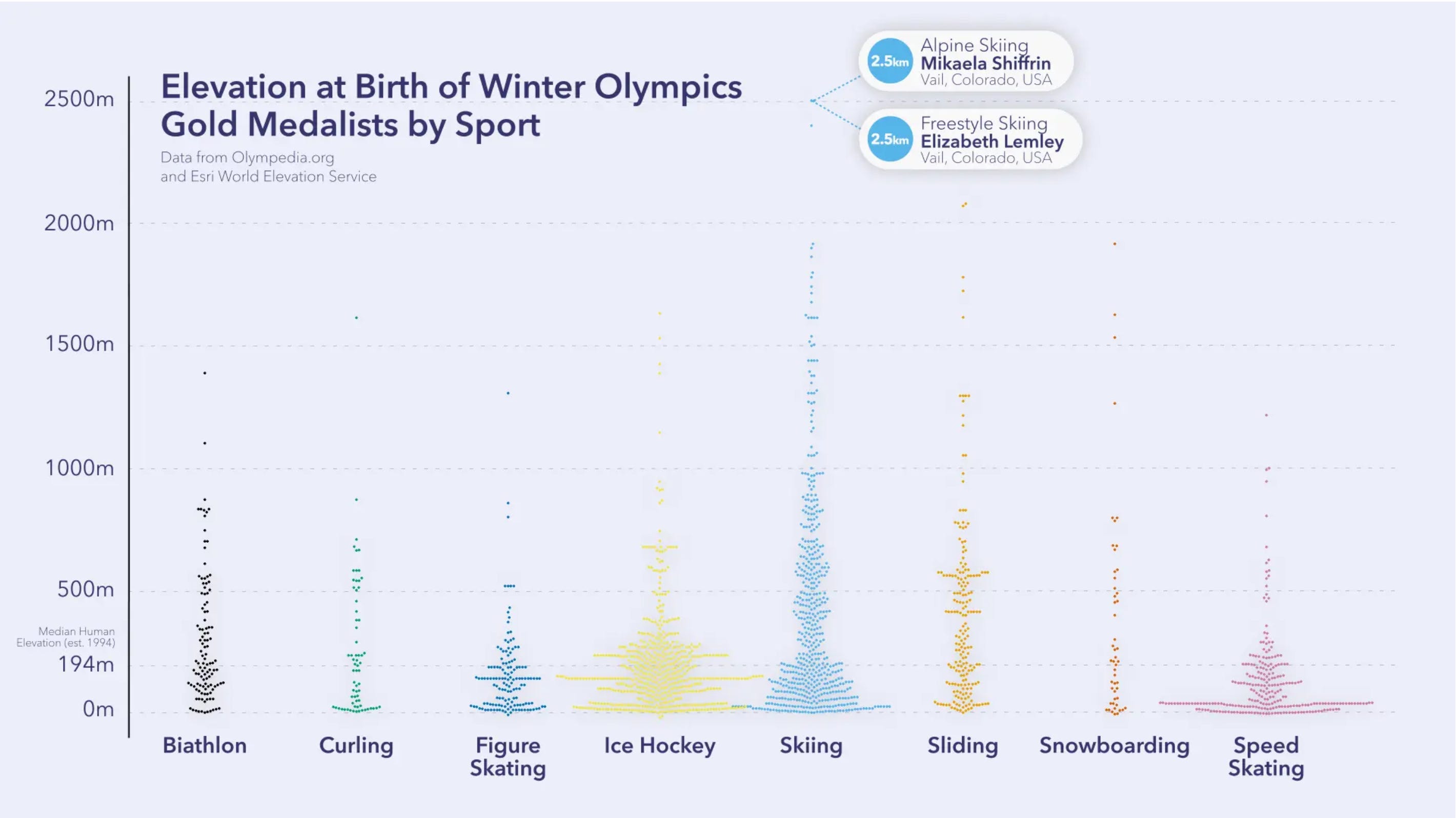
If you’re born in Delhi or Gurgaon, you’re 31 times more likely than anyone else to spend your life’s savings on a Mahindra Thar. I made that up. But, you won’t be surprised if the actual number is somewhere near that mark. Where you’re born has a disproportionate influence on your chance at success, especially if we’re talking winter olympics.
🪐 The Planets
Last Sunday, during my biweekly trip to Church Street’s bookstores, I walked upstairs from Bookworm’s sprawling ground floor to The Antiquarian—their wooden, air-conditioned room for rare classics and their original, sometimes signed, editions. There I found a vinyl of Gustav Holst’s The Planets.
The Planets is a seven-track orchestral suite composed somewhere in the early 1900s. Each planet is given character and shades, almost humanised, and then turned into its own track. The orchestration wasn’t technically novel, but the usage of traditional instruments was.
In the first movement of Mars, you’ll hear a clicky, wooden sound hovering above the beating timpani and staccato strings. That’s two cellos, played col legno—the technique of hitting the strings with the wooden stick instead of gently caressed with the hair.
Oh, and, once you’re done with the first couple of minutes of Mars, listen closely to the background rhythm in Star Wars’ famous theme Imperial March.
This is, of course, not a shade on John Williams. He’s a genius. You’ll not find too many composers from his time who weren’t influenced by Holst or Wagner. For aspiring music composers, especially those with an interest in classical music, The Planets has always been mandatory study material. No other collection of music illustrates the foundational principles of good orchestration so thoroughly.
That’s all from this edition of The Jukebox. See you soon!
You touch on people who pursue extremes in very different fields, from endurance sports to science and music. How do you think someone figures out whether they are drawn to an idea because it is genuinely meaningful to them, or simply because it feels impressive from the outside?
What an eclectic collection of topics! The Antarctica Marathon takes the bakery though - ufff 👏